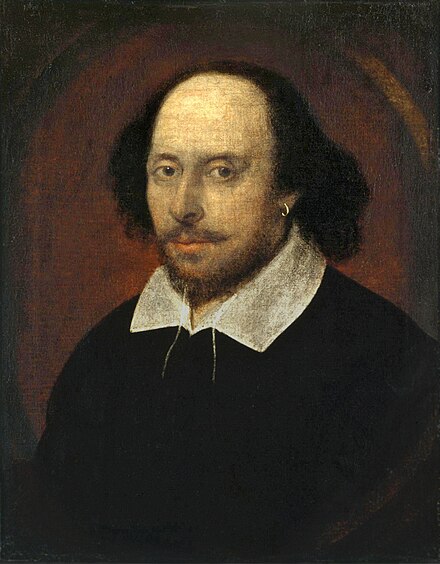
Base Profile
William Shakespeare
Anatomizing human nature through tragedy and comedy, creating the most enduring narrative universe in English literature
William Shakespeare (1564-1616), the greatest playwright and poet of Elizabethan England, was born in Stratford-upon-Avon, Warwickshire. Through 37 plays, 154 sonnets, and several long poems, he constructed the most expansive and enduring narrative universe in Western literature. His four great tragedies -- Hamlet, Othello, King Lear, and Macbeth -- explore with unparalleled psychological depth the inner struggles of human beings confronting power, jealousy, ambition, and moral collapse. Shakespeare was not only a literary genius but also a shrewd businessman: as co-founder and shareholder of the Globe Theatre, he perfectly integrated artistic creation with commercial operation. He invented or first recorded over 1,700 English words (including bedroom, lonely, generous, and obscene), profoundly shaping the English language itself. Four hundred years later, his works are still performed over 4 million times per year worldwide, making them one of the most universally valuable artistic legacies in human cultural history.
LiteratureDramaPoetryLinguisticsPsychologyEra Elizabethan England, 1564-1616Influence 97
Controversy TagsShakespeare authorship controversy: some scholars argue the works were written by Francis Bacon, Christopher Marlowe, or the Earl of OxfordThe 'second-best bed' will controversy: leaving his second-best bed to his wife is interpreted as marital contempt, though some scholars see it as period customAntisemitism in the works: the character of Shylock in The Merchant of Venice has long been controversialStereotypical depictions of women: some female characters (e.g., Katharina in The Taming of the Shrew) are seen by modern critics as reinforcing gender inequality